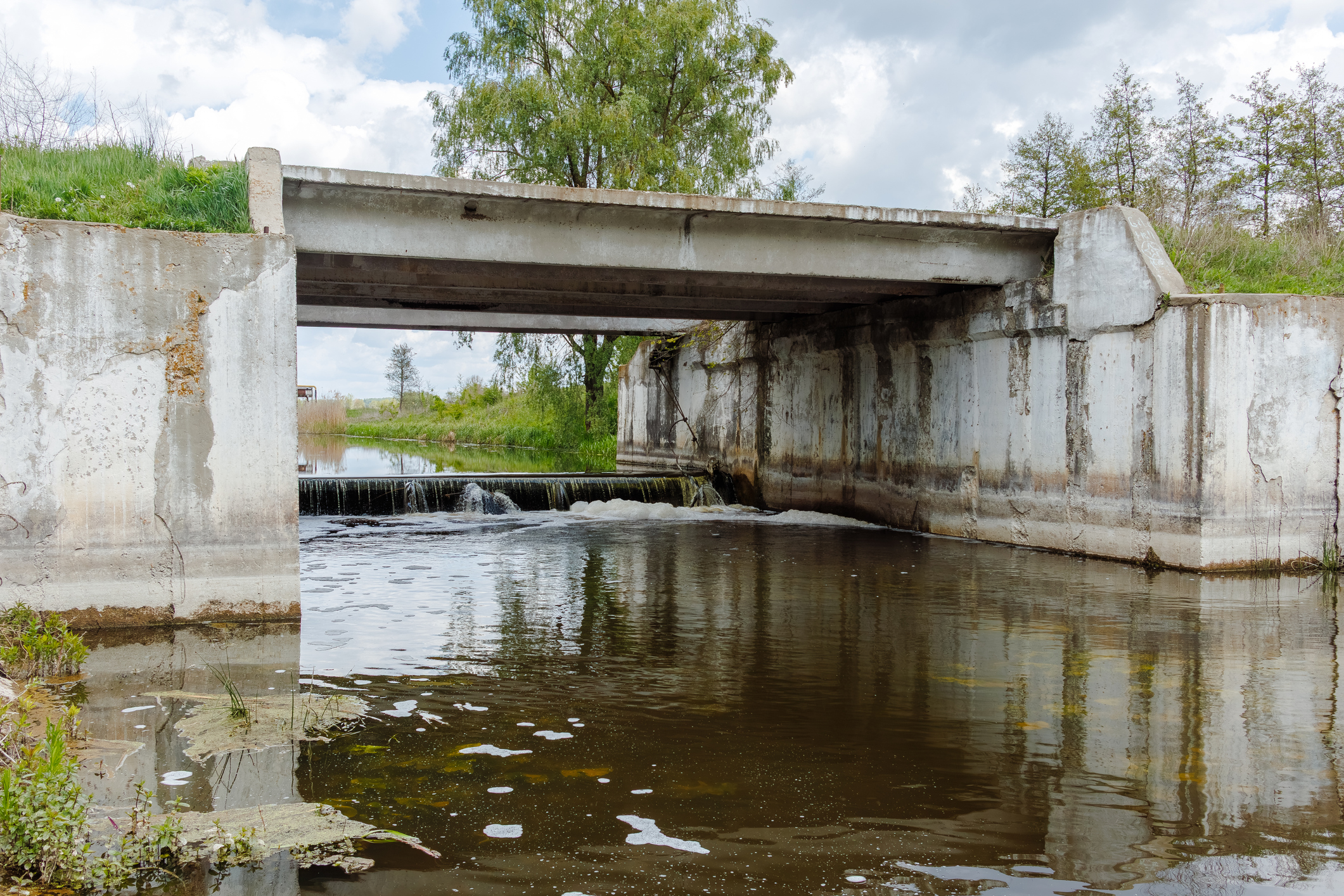
Stormwater management is a critical aspect of environmental compliance for industrial facilities. Every time rainwater or snowmelt flows across a property, it can pick up pollutants such as sediment, chemicals, and debris, ultimately entering local waterways. To control this, the U.S. Environmental Protection Agency (EPA) and state environmental agencies require many industrial facilities to obtain stormwater permits. Understanding what these permits entail, why they are necessary, and how to maintain compliance is essential for facilities.
For many industrial facilities, stormwater permitting may seem complex or overwhelming. From initial application to ongoing reporting, failing to meet regulatory requirements can result in fines, operational delays, and environmental liability. However, with the right guidance, these requirements can be managed efficiently, helping your facility operate responsibly while minimizing risk.
What Are Stormwater Permits?
Stormwater permits are regulatory approvals issued to facilities whose operations may discharge pollutants into stormwater systems. They are a part of the National Pollutant Discharge Elimination System (NPDES) under the Clean Water Act. Permits are designed to ensure facilities implement Best Management Practices (BMPs) to prevent contaminants from entering local rivers, lakes, or municipal stormwater systems.
Industrial stormwater permits are typically required for facilities in sectors such as manufacturing, construction, warehousing, transportation, and chemical processing. Essentially, if a facility’s activities expose materials to rain or snow, it may need a permit to legally discharge stormwater.
Why Stormwater Permits Are Required
The primary goal of stormwater permits is to protect water quality. Industrial runoff can contain pollutants such as oils, heavy metals, sediment, or cleaning chemicals. Without proper controls, these substances can harm aquatic life, disrupt ecosystems, and contaminate drinking water sources.
Permitting requires facilities to take proactive steps to monitor, control, and treat stormwater. This protects both the environment and the facility by:
- Preventing fines and legal penalties for non-compliance
- Minimizing environmental impact on local waterways
- Reducing long-term operational risks related to environmental damage
Key Compliance Milestones for Industrial Facilities
Staying compliant with stormwater permitting involves several steps, including:
- Permit Application – Facilities must submit a Notice of Intent (NOI) or equivalent form to the EPA or state agency to begin the permitting process. This includes outlining operations, potential pollutant sources, and existing control measures.
- Stormwater Pollution Prevention Plan (SWPPP) – Developing a SWPPP is a central requirement. This plan details how the facility identifies pollutant sources, implements BMPs, and conducts routine inspections to prevent contamination.
- Routine Monitoring and Inspections – Facilities are required to regularly inspect stormwater controls, sample discharges, and maintain records of compliance activities.
- Reporting – Many permits require annual or semi-annual reporting to regulatory agencies. These reports summarize monitoring results, corrective actions, and BMP effectiveness.
- Corrective Actions – If inspections or sampling reveal issues, facilities must implement corrective actions promptly to maintain compliance and prevent environmental damage.
How Ramtox Helps Navigate Stormwater Permitting
For industrial facilities, managing stormwater compliance can be challenging, especially with evolving regulations and complex reporting requirements. That’s where Ramtox comes in. Ramtox specializes in regulatory, environmental, and multi-compliance consulting services, providing expert guidance for stormwater permitting from start to finish. Our services help facilities:
- Assess whether stormwater permits are required for their operations
- Prepare and submit accurate permit applications
- Develop and implement effective SWPPPs
- Conduct inspections, monitoring, and reporting in line with regulatory requirements
- Respond quickly to non-compliance issues to minimize risk
With Ramtox, industrial facilities gain peace of mind, knowing their stormwater compliance is handled efficiently, reducing the risk of fines or operational disruption while supporting sustainable practices.
Stay Compliant and Protect Your Facility
Stormwater permitting is an essential part of environmental responsibility for industrial facilities. By understanding permit requirements and key compliance milestones, and by implementing effective BMPs, facilities can protect local waterways and maintain regulatory compliance.
Ramtox offers professional guidance to navigate the complex permitting process, helping your facility meet environmental obligations with confidence. Contact us today to learn how our stormwater permitting and compliance services can support your operations and protect both your business and the environment.